
On this page11
Choose article to read
Choose English or Tamil to continue
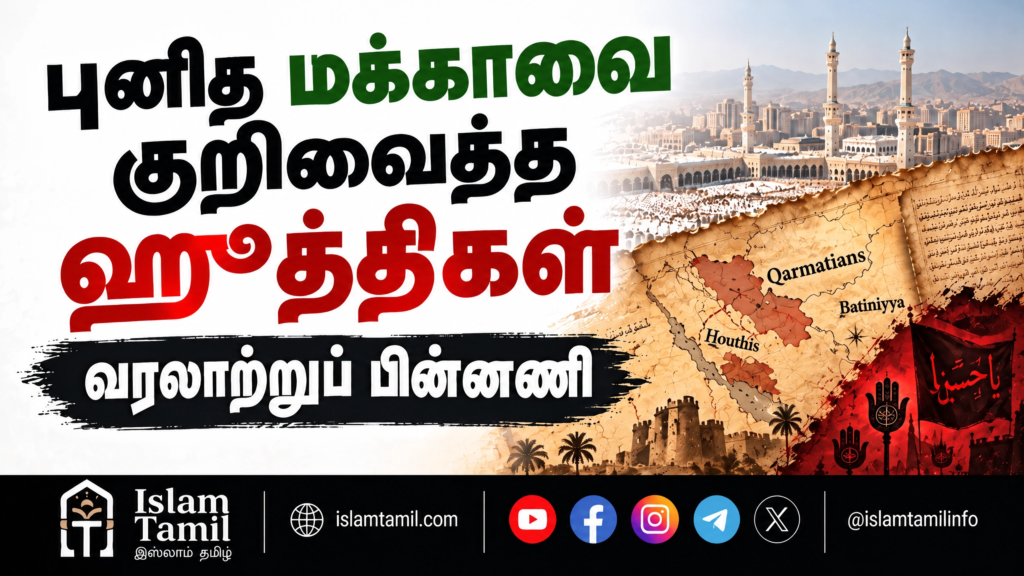
The Rafidah Houthis’ Targeting of Makkah al-Mukarramah with a Ballistic Missile Is Only a Continuation of the Actions of Their Forefathers, the Qaramitah Baathiniyyah
Imam Rabīʿ ibn Hādī al-Madkhalī (رحمه الله)
Translator’s Introduction
Nearly ten years ago, on 27 October 2016, a ballistic missile was launched from Yemen in the direction of Makkah. Following that incident, Imam Rabīʿ ibn Hādī al-Madkhalī رحمه الله, who was alive at the time, wrote this important article on 30 Muharram 1438 AH — 31 October 2016.
Today, nearly ten years later, in the present situation where another Houthi attack targeting the direction of the sacred city of Makkah took place on 15 September 2026, this article written by Imam Rabīʿ رحمه الله has once again become highly relevant.
Presented below is the complete English translation of the article:
Main Article
In the Name of Allah, the Most Merciful, the Bestower of Mercy.
All praise is due to Allah. May Allah’s peace and blessings be upon the Messenger of Allah, his family and his Companions, and upon those who follow his guidance.
To proceed:
The Muslims are well aware of the many major deviations found among the Rafidah – so many that they cannot be counted.
Among them is their declaring the Companions – may Allah be pleased with them – and the Muslims to be disbelievers, and their extremism concerning the honourable Ahl al-Bayt. Allah has declared the Ahl al-Bayt innocent of the Rafidah and of their extremism.
Among this extremism is their claim concerning their Imams that they know the unseen and that they have control over every single particle in the universe!
So what have the Rafidah left for Allah in this universe?!
And how many disbelieving doctrines they have in this matter!
During these difficult times, the Rafidah have stirred up destructive wars in Muslim lands such as Yemen and al-Sham. They consider the blood of hundreds of thousands of Muslims lawful to shed. They also corrupt their children and turn them into Rafidah, so that they join them in their beliefs of disbelief and in shedding the blood of their own people.
Yet they were not satisfied with these atrocities.
Their deeply buried hatred was stirred up and drove them to direct a ballistic missile towards Makkah al-Mukarramah, violating the sacred limits of Allah – limits in which they neither believe nor give any importance.
Allah, the Most High, said concerning an action such as theirs:
وَمَنْ يُرِدْ فِيهِ بِإِلْحَادٍ بِظُلْمٍ نُذِقْهُ مِنْ عَذَابٍ أَلِيمٍ
“and whoever inclines to evil actions therein (Al-Masjid-al-Haraam (at Makkah)) or to do wrong (i.e. practise polytheism and leave Islâmic Monotheism), him We shall cause to taste from a painful torment”
[Surah al-Hajj: 25]
Their forefathers, the Qaramitah, had already preceded them in this kind of deviation. They killed hundreds of pilgrims within the Sacred Sanctuary of Allah and at His Ancient House. They took the Black Stone (al-Hajar al-Aswad) and placed it in their own Kaʿbah in the land of their deviation Hajar (al-Ahsa).
Therefore, this action of the Rafidah Houthis is nothing but a revival and embodiment of what their forefathers and leaders, the Qaramitah, harboured within themselves and dreamt of.
Quotation Concerning Khomeini
Husayn al-Musawi says in his book Lillahi Thumma lil-Tarikh, pages 91–92, while speaking about his visit to Khomeini:
‘Sayyid Husayn! The time has come to carry out the instructions of the Imams – may Allah’s blessings be upon them.
We will shed the blood of the “Nawasib”, kill their children and leave their women alive. We will not allow any one of them to escape punishment, and their wealth will belong exclusively to the Shiʿah of Ahl al-Bayt.
We will wipe Makkah and Madinah from the face of the earth, because these two cities have become strongholds of the Wahhabis.
Karbala, the blessed and sacred land of Allah, must become the Qiblah towards which people pray.
In this way, we will fulfil the dream of the Imams — peace be upon them.
Our state, which we struggled for many years to establish, has now been established. Nothing remains except to carry this out!!”
Imam Rabee’s Closing Statement
I (Ash-Shaykh Rabee ) say:
It is therefore not unlikely that the Houthis, in launching their great fitnah in Yemen and their actions against Makkah and the Kingdom of Saudi Arabia, may have proceeded from this evil doctrine which the Rafidi Khomeini attributed to the Ahl al-Bayt – may Allah declare them innocent of it and keep them far above it.
Likewise, it is not unlikely that the Houthis may have set out to fulfil their Batiniyyah dreams of destroying Makkah and Madinah and changing the Qiblah to the idolatrous Karbala, which Khomeini falsely and wickedly describes as “sacred”, while his Batiniyyah soul does not allow him to use this description – “sacred” – for Makkah and Madinah.
May Allah frustrate the hopes of the Rafidah zindiqs (heretics).
May Allah protect the land of the Two Holy Mosques from their crimes.
May Allah grant Islam and the Muslims victory over them.
And may Allah destroy their state just as He destroyed the state of their forefathers, the Qaramitah Batiniyyah.
Indeed, He is the Hearer of supplication.
Written by:
Rabīʿ ibn Hādī ʿUmayr al-Madkhalī
رحمه الله
30/1/1438 AH
Footnotes
1. Translator’s Note: Rafidah — الرافضة
The term “Rafidah” is used in the writings of Ahl al-Sunnah scholars for certain groups among the Shiʿah. According to the explanation of Shaykh al-Islam Ibn Taymiyyah رحمه الله, the historical use of the name “Rafidah” is connected to a group who rejected Zayd ibn ʿAli رحمه الله when he spoke well of Abu Bakr and ʿUmar رضي الله عنهما and accepted their position.
Among the major deviations of the Rafidah mentioned by Ahl al-Sunnah scholars are: rejecting the Caliphate of Abu Bakr and ʿUmar رضي الله عنهما, claiming that ʿAli رضي الله عنه alone was specifically appointed by Allah as the Imam after the Prophet ﷺ, believing that their Imams possess ʿismah — protection from sin and error – and insulting or rejecting many of the Companions.
Ibn Taymiyyah رحمه الله also mentions that among the Rafidah were Ghulat (الغلاة) — extreme groups who went far beyond the limits concerning ʿAli رضي الله عنه, ascribing divine qualities to him and even going as far as prostrating to him.
References:
Ibn Taymiyyah, Majmūʿ al-Fatāwā, 4/435; 28/474; 35/184–185.
2. Translator’s Note: The Qarmatians — القرامطة
The Qarmatians were an extremist group historically connected to the Ismaʿili-Batiniyyah movement. They are especially known for their attack on Makkah in 317 AH / 930 CE, during which they killed pilgrims and removed the Black Stone (al-Hajar al-Aswad) from the Kaʿbah and carried it away to al-Ahsa. Therefore, when the Shaykh says that “their forefathers, the Qarmatians, had already preceded them in this,” he is mainly referring to this well-known historical background.
3. Translator’s Note: Lillahi Thumma lil-Tarikh “For Allah, and Then for History” is a book published under the name Husayn al-Musawi, criticising Twelver Shi’a beliefs and their religious leadership.
In the publisher’s introduction, the author is described as someone who studied and taught in the Shi’a religious seminaries of Najaf, Iraq, and who had close connections with a number of prominent Shi’a religious scholars and leaders. Najaf has for a long time been one of the most important centres of Shi’a religious learning.
The same introduction states that, for reasons of personal safety, the author did not reveal his real name. Therefore, “Husayn al-Musawi” is the name used by the author, while his actual identity has not been publicly verified.
The statement concerning Khomeini quoted here by Shaykh Rabee رحمه الله is an account that Husayn al-Musawi gives in this book of a private meeting which he says took place between himself and Khomeini.
4. Translator’s Note: Nawasib (النواصب) is the plural of “Naasibi.” According to the definition given by scholars of Ahl al-Sunnah, Nawasib are those who show hostility towards the Ahl al-Bayt of the Messenger of Allah ﷺ, especially Ali رضي الله عنه and his family, and harm them through words or actions.
Shaykh al-Islam Ibn Taymiyyah رحمه الله said that the Nawasib are “those who harm the Ahl al-Bayt through words or actions.”
Ahus-Sunnah wal-Jama’ah are not Nawasib. They love the Ahl al-Bayt, recognise their proper Islamic rights and virtues, and at the same time reject both the excesses of the Rafidah concerning them and the disrespect and hostility of the Nawasib towards them.
However, in some historical Shi’a polemical writings, the term “Nawasib” has also been used more broadly for Ahl al-Sunnah. Therefore, in the quotation here, the expression “the blood of the Nawasib” is presented in that reported Shi’a context as referring not only to those who actually harbour hostility towards the Ahl al-Bayt, but also more broadly to Sunni Muslims.
References:
Ibn Taymiyyah, al-Aqidah al-Wasitiyyah, in Majmu al-Fatawa, vol. 3, p. 154.
Ibn Taymiyyah, Minhaj al-Sunnah al-Nabawiyyah, ed. Dr. Muhammad Rashad Salim, vol. 7, p. 339.
5. Translator’s Note – “Zindiq” (الزنديق):
In the terminology of scholars, a “Zindiq” refers to a person who outwardly presents himself as a Muslim while inwardly concealing disbelief. Shaykh al-Islam Ibn Taymiyyah رحمه الله explains that this is similar to the condition of the Munafiq during the time of the Prophet ﷺ.
«الزنديق في عرف هؤلاء الفقهاء هو المنافق الذي كان على عهد النبي ﷺ، وهو أن يظهر الإسلام ويبطن غيره»
“In the terminology of these jurists, a Zindiq is like the Munafiq who existed during the time of the Prophet ﷺ: one who outwardly shows Islam while inwardly concealing something contrary to it.”
Reference:
Ibn Taymiyyah, Majmu al-Fatawa, vol. 7, p. 471.
ராஃபிதா ஹூத்திகள் புனித மக்காவை பாலிஸ்டிக் ஏவுகணையால் குறிவைத்தது, அவர்களுடைய முன்னோர்களான பாத்தினிய்யா கராமித்தாக்களின் செயல்களின் தொடர்ச்சியே!
அல் இமாம் ரபீ பின் ஹாதீ அல்-மத்கலீ (ரஹ்மதுல்லாஹி அலைஹீ)
மொழிபெயர்ப்பாளரின் முன்னுரை
ஏறத்தாழ பத்து ஆண்டுகளுக்கு முன்பு, 27 அக்டோபர் 2016 அன்று, யமனிலிருந்து ஏவப்பட்ட ஒரு பாலிஸ்டிக் ஏவுகணை மக்காவை நோக்கி வந்தபோது, அப்போது உயிருடன் இருந்த இமாம் ரபீ பின் ஹாதீ அல்-மத்கலீ (ரஹ்மதுல்லாஹி அலைஹீ) அவர்கள், அந்தச் சம்பவத்தை முன்னிட்டு 30 முஹர்ரம் 1438 ஹி. — 31 அக்டோபர் 2016 அன்று இந்த முக்கியமான கட்டுரையை எழுதினார்கள்.
இன்று, ஏறத்தாழ பத்து ஆண்டுகளுக்குப் பின்னர், 15 செப்டம்பர் 2026 அன்று, மீண்டும் புனித மக்காவை நோக்கிய ஹூத்தி தாக்குதல் முயற்சி நிகழ்ந்துள்ள இச்சூழலில், இமாம் ரபீ (ரஹ்மதுல்லாஹி அலைஹீ) அவர்கள் அன்று எழுதிய இக்கட்டுரை மீண்டும் மிகப் பொருத்தமானதாக அமைந்துள்ளது. அந்தக் கட்டுரையின் முழுமையான தமிழாக்கம் இதோ:
முக்கியக் கட்டுரை
எல்லாப் புகழும் அல்லாஹ்வுக்கே உரியது. அல்லாஹ்வின் தூதர் ﷺ அவர்கள் மீதும், அவர்களுடைய குடும்பத்தார், தோழர்கள் மீதும், அவர்களுடைய நேர்வழியைப் பின்பற்றியவர்கள் மீதும் ஸலாத்தும் ஸலாமும் உண்டாவதாக.
அம்மா பஅ்து (இதன் பின்னர்):
ராஃபிதாக்களிடம் எண்ணிக்கையால் அடக்க முடியாத அளவுக்கு மாபெரும் வழிகேடுகள் இருக்கின்றன என்பதை முஸ்லிம்கள் அறிந்துள்ளனர்.
அவர்களுடைய இந்த வரம்புமீறல்களில் ஒன்றுதான்: தங்களுடைய இமாம்கள் மறைவானவற்றை அறிவார்கள் என்றும், இந்தப் பிரபஞ்சத்தின் ஒவ்வொரு அணுவிலும் அவர்கள் அதிகாரம் செலுத்துகிறார்கள் என்றும் அவர்கள் கூறுவதாகும்!
மேலும், இந்த விஷயத்தில் அவர்களிடம் எத்தனை குஃப்ரான (இறைநிராகரிப்பு) கொள்கைகள் இருக்கின்றன!
இக்கட்டான இந்தக் காலகட்டத்தில், யமன், ஷாம் போன்ற முஸ்லிம் நாடுகளில் ராஃபிதாக்கள் அழிவை ஏற்படுத்தும் போர்களை மூட்டியுள்ளனர். அங்குள்ள நூறாயிரக்கணக்கான முஸ்லிம்களின் இரத்தத்தைச் சிந்துவதை ஆகுமானதாகக் கருதுகின்றனர். அந்த முஸ்லிம்களின் பிள்ளைகளையும் கெடுத்து, அவர்களை ராஃபிதாக்களாக மாற்றி; இவர்களுடைய குஃப்ரான கொள்கைகளிலும், தங்களுடைய சொந்த மக்களின் இரத்தத்தைச் சிந்துவதிலும் அப்பிள்ளைகள் அந்த ராஃபிதாக்களுடன் பங்குகொள்கின்றனர்.
இந்தக் கொடூரங்களோடு அவர்கள் நின்றுவிடவில்லை.
அவர்களுடைய உள்ளங்களில் புதைந்திருந்த குரோதம் கிளர்ந்தெழுந்து, புனித மக்காவை நோக்கி ஒரு பாலிஸ்டிக் ஏவுகணையை ஏவுவதற்கு அவர்களைத் தூண்டியிருக்கிறது. இதன் மூலம், அவர்கள் ஈமான் கொள்ளாத, எவ்வித மதிப்பும் அளிக்காத அல்லாஹ்வின் புனித வரம்புகளை அவர்கள் மீறியுள்ளனர்.
இவர்களுடைய இத்தகைய செயலைப் பற்றி அல்லாஹ் கூறுகிறான்:
இதுபோன்ற அசத்தியத்தை நாடுகிறவர்கள் இவர்களுக்கு முன்னரே இவர்களுடைய முன்னோர்களான கராமித்தாக்கள் ஈடுபட்டுள்ளனர்.
அவர்கள் அல்லாஹ்வின் புனித ஹரமிலும், அவனுடைய பழமையான இல்லமான கஃபாவிலும் நூற்றுக்கணக்கான ஹாஜிகளைக் கொன்றனர். மேலும், ஹஜருல் அஸ்வதை எடுத்துச் சென்று, தங்களுடைய வழிகேட்டின் தலமான ஹஜர் (அல்-அஹ்ஸா) பகுதியில் இருந்த தங்களுடைய கஃபாவில் வைத்தனர்.
குமைனி தொடர்பான மேற்கோள்
ஹுசைன் அல்-மூஸவீ தனது ‘லில்லாஹி சும்ம லித்-தாரீக்’ என்ற நூலில், பக்கங்கள் 91–92-ல், குமைனியைச் சந்தித்ததைப் பற்றிக் கூறும்போது இவ்வாறு குறிப்பிடுகிறார்:
“இமாமுடன் (குமைனியுடன்) நடைபெற்ற ஒரு தனிப்பட்ட அமர்வில் அவர் என்னிடம் கூறினார்:
‘ஸைய்யித் ஹுசைனே! (நமது) இமாம்களின் அறிவுறுத்தல்களை நிறைவேற்றுவதற்கான நேரம் வந்துவிட்டது – அவர்கள் மீது அல்லாஹ்வின் ஸலவாத்துக்கள் உண்டாகட்டும் -.
நாம் நவாஸிப்களின் இரத்தத்தைச் சிந்துவோம்; அவர்களுடைய பிள்ளைகளைக் கொல்வோம்; அவர்களுடைய பெண்களை உயிருடன் விட்டுவைப்போம். அவர்களில் எவரையும் தண்டனையிலிருந்து தப்பவிட மாட்டோம். அவர்களுடைய செல்வங்கள் அஹ்லுல் பைத்தின் ஷீஆக்களுக்கு மட்டுமே உரியதாகிவிடும்.
மக்காவையும் மதீனாவையும் பூமியின் முகத்திலிருந்தே அழித்துவிடுவோம்; ஏனெனில் இந்த இரு நகரங்களும் வஹ்ஹாபிகளின் கோட்டைகளாக மாறிவிட்டன.
மேலும், அல்லாஹ்வின் அருள்பெற்ற புனித பூமியான கர்பலா, மக்களின் தொழுகைக்கான கிப்லாவாக ஆகவேண்டும்.
அதன் மூலம் இமாம்களின் கனவை நாம் நிறைவேற்றுவோம். எதை நிறுவுவதற்காக நாம் பல ஆண்டுகள் பாடுபட்டோமோ அந்த நமது அரசு நிறுவப்பட்டுவிட்டது. இனி செயல்படுத்துவது மட்டுமே எஞ்சியுள்ளது!!’” – கூற்று முடிவுற்றது -.
இமாம் ரபீ அவர்களின் நிறைவுரை
நான் (அஷ்ஷய்க் ரபீ) கூறுகிறேன்:
(தற்போது) எமனில், மக்காவிற்கும் சவூதி அரேபியாவிற்கும் எதிராக ஹூத்திகள் முன்னெடுத்திருக்கும் இந்த மாபெரும் ஃபித்னாவானது, ராஃபிதீ குமைனீ அஹ்லுல் பைத்தின் மீது இட்டுக்கட்டிய பாழான கொள்கையிலிருந்தே புறப்பட்ட ஒன்றாக இருப்பதில் வியப்பில்லை – அல்லாஹ் அஹ்லுல் பைத்தினரை அக்கொள்கையிலிருந்து விடுவித்துத் தூய்மைப்படுத்திவிட்டான் -.
மேலும், மக்காவையும் மதீனாவையும் தகர்த்து, கிப்லாவை சிலைவழிபாட்டின் கர்பலாவை நோக்கித் திருப்ப வேண்டும் என்ற தங்களுடைய பாதினிய்யா கனவுகளை நிறைவேற்றுவதற்காகவே ஹூதிகள் புறப்பட்டிருக்கலாம் என்பதும் தூரமான ஒன்றல்ல.
அந்தக் கர்பலாவைத்தான் குமைனி பொய்யாகவும் தீய முறையிலும் “புனிதமானது” என்று வர்ணிக்கிறான்; அதேவேளையில் மக்காவையும் மதீனாவையும் “புனிதமானவை” என்று வர்ணிப்பதற்கு அவனுடைய பாதினிய்ய உள்ளம் இடமளிப்பதில்லை.
இரு புனித ஹரம்களின் நாட்டை அவர்களுடைய குற்றங்களிலிருந்து அல்லாஹ் பாதுகாப்பானாக!
அவர்களுக்கு எதிராக இஸ்லாத்திற்கும் முஸ்லிம்களுக்கும் அல்லாஹ் வெற்றியை வழங்குவானாக!
அவர்களுடைய முன்னோர்களான பாதினிய்யா கராமித்தாக்களின் அரசை எவ்வாறு அல்லாஹ் அழித்தானோ, அவ்வாறே இவர்களுடைய அரசையும் அல்லாஹ் அழித்தொழிப்பானாக!
எழுதியவர்:
ரபீ பின் ஹாதீ உமைர் அல்-மத்கலீ رحمه الله
30/1/1438 ஹிஜ்ரீ / 31 அக்டோபர் 2016.
ஆதாரக் குறிப்பு
மொழிபெயர்ப்பாளர் குறிப்பு: ராஃபிதா — الرافضة:
“ராஃபிதா” என்பது ஷீஆவின் சில பிரிவுகளைக் குறிக்க அஹ்லுஸ்-ஸுன்னா அறிஞர்களின் நூல்களில் பயன்படுத்தப்படும் பெயராகும். ஷய்குல் இஸ்லாம் இப்னு தைமிய்யா رحمه الله அவர்களின் விளக்கத்தின்படி, ஸைத் இப்னு அலீ رحمه الله அவர்கள் அபூபக்ர் மற்றும் உமர் رضي الله عنهما இருவரையும் ஏற்றுக்கொண்டு அவர்களைப் பற்றி நன்மையாகக் கூறியபோது அவரை நிராகரித்த ஒரு குழுவுடன் “ராஃபிதா” என்ற பெயரின் வரலாற்றுப் பயன்பாடு தொடர்புபடுத்தப்படுகிறது.
ராஃபிதாக்களின் முக்கிய வழிகேடுகளாக, அபூபக்ர் மற்றும் உமர் رضي الله عنهما ஆகியோரின் கலீஃபத்துவத்தை நிராகரித்தல், அலீ رضي الله عنه அவர்களுக்கே நபி ﷺ அவர்களுக்குப் பின்னர் இமாமத் இறைவனால் குறிப்பாக நியமிக்கப்பட்டதாகக் கூறுதல், இமாம்களுக்கு மஃஸூமிய்யத் — பாவம் மற்றும் தவறிலிருந்து பாதுகாப்பு — இருப்பதாக நம்புதல், மேலும் ஸஹாபாக்களில் பலரைப் பழித்தல் அல்லது அவர்களை நிராகரித்தல் போன்றவற்றை அஹ்லுஸ்-ஸுன்னா அறிஞர்கள் குறிப்பிடுகின்றனர்.
ராஃபிதாக்களில் ஃகுலாத் (الغلاة) — மிகையாக வரம்புமீறிய சில பிரிவினர், அலீ رضي الله عنه அவர்களுக்குத் வணங்கப்படும் தன்மையை வழங்கி, அவருக்கு ஸுஜூத் செய்யும் அளவுக்குச் சென்றதாக இப்னு தைமிய்யா رحمه الله குறிப்பிடுகின்றார்.
மொழிபெயர்ப்பாளர் குறிப்புகள்
- மொழிபெயர்ப்பாளர் குறிப்பு: ராஃபிதா — الرافضة:
“ராஃபிதா” என்பது ஷீஆவின் சில பிரிவுகளைக் குறிக்க அஹ்லுஸ்-ஸுன்னா அறிஞர்களின் நூல்களில் பயன்படுத்தப்படும் பெயராகும். ஷய்குல் இஸ்லாம் இப்னு தைமிய்யா رحمه الله அவர்களின் விளக்கத்தின்படி, ஸைத் இப்னு அலீ رحمه الله அவர்கள் அபூபக்ர் மற்றும் உமர் رضي الله عنهما இருவரையும் ஏற்றுக்கொண்டு அவர்களைப் பற்றி நன்மையாகக் கூறியபோது அவரை நிராகரித்த ஒரு குழுவுடன் “ராஃபிதா” என்ற பெயரின் வரலாற்றுப் பயன்பாடு தொடர்புபடுத்தப்படுகிறது.
ராஃபிதாக்களின் முக்கிய வழிகேடுகளாக, அபூபக்ர் மற்றும் உமர் رضي الله عنهما ஆகியோரின் கலீஃபத்துவத்தை நிராகரித்தல், அலீ رضي الله عنه அவர்களுக்கே நபி ﷺ அவர்களுக்குப் பின்னர் இமாமத் இறைவனால் குறிப்பாக நியமிக்கப்பட்டதாகக் கூறுதல், இமாம்களுக்கு மஃஸூமிய்யத் — பாவம் மற்றும் தவறிலிருந்து பாதுகாப்பு — இருப்பதாக நம்புதல், மேலும் ஸஹாபாக்களில் பலரைப் பழித்தல் அல்லது அவர்களை நிராகரித்தல் போன்றவற்றை அஹ்லுஸ்-ஸுன்னா அறிஞர்கள் குறிப்பிடுகின்றனர்.
ராஃபிதாக்களில் ஃகுலாத் (الغلاة) — மிகையாக வரம்புமீறிய சில பிரிவினர், அலீ رضي الله عنه அவர்களுக்குத் வணங்கப்படும் தன்மையை வழங்கி, அவருக்கு ஸுஜூத் செய்யும் அளவுக்குச் சென்றதாக இப்னு தைமிய்யா رحمه الله குறிப்பிடுகின்றார்.
ஆதாரங்கள்: இப்னு தைமிய்யா, மஜ்மூஉல் ஃபதாவா, 4/435; 28/474; 35/184–185.
- மொழிபெயர்ப்பாளர் குறிப்பு: கராமித்தாக்கள் — القرامطة:
இஸ்மாஈலிய்யா–பாதினிய்யா இயக்கங்களுடன் வரலாற்றுத் தொடர்புடைய ஒரு தீவிரவாதக் குழு. ஹிஜ்ரி 317 / 930-ல் மக்காவைத் தாக்கி, ஹாஜிகளைக் கொன்று, ஹஜருல் அஸ்வதை — கருப்புக் கல்லை — கஃபாவிலிருந்து எடுத்துச் சென்ற சம்பவத்திற்காக அவர்கள் குறிப்பாக அறியப்படுகிறார்கள். ஷய்க் அவர்கள், “இவர்களுக்கு முன்னரே இவர்களுடைய முன்னோர்களான கராமித்தாக்கள் ஈடுபட்டுள்ளனர்” என்று கூறுவது முக்கியமாக இந்த வரலாற்றுப் பின்னணியைக் குறிக்கிறது.
- மொழிபெயர்ப்பாளர் குறிப்பு: ‘லில்லாஹி சும்ம லித்-தாரீக்’ (لله ثم للتاريخ — “அல்லாஹ்வுக்காக; பின்னர் வரலாற்றிற்காக”):
இது ‘ஹுசைன் அல்-மூஸவீ’ என்ற பெயரில் வெளியான, இமாமிய ஷீஆக் கொள்கைகள் மற்றும் அதன் மார்க்கத் தலைமையை விமர்சிக்கும் ஒரு நூலாகும்.
அதன் பதிப்பக முன்னுரையில், ஆசிரியர் ஈராக்கிலுள்ள நஜஃப் நகரின் ஷீஆ மார்க்கக் கல்வி நிலையங்களில் பயின்று, அங்கு கற்பித்தவர் என்றும், பல முக்கிய ஷீஆ மார்க்கத் தலைவர்களுடன் தொடர்பு கொண்டிருந்தவர் என்றும் அறிமுகப்படுத்தப்படுகிறார். நஜஃப், நீண்ட காலமாக ஷீஆ மார்க்கக் கல்வியின் முக்கிய மையங்களில் ஒன்றாக இருந்து வருகிறது.
அதே முன்னுரையில், தனது பாதுகாப்பைக் கருத்தில் கொண்டு அவர் தனது உண்மையான பெயரை வெளியிடவில்லை என்றும் குறிப்பிடப்பட்டுள்ளது. எனவே, ‘ஹுசைன் அல்-மூஸவீ’ என்பது ஆசிரியர் பயன்படுத்திய பெயராகும்; அவரது உண்மையான அடையாளம் பொதுவாக உறுதிப்படுத்தப்படவில்லை.
இங்கு ஷய்க் ரபீ رحمه الله அவர்கள் மேற்கோள் காட்டும் குமைனி தொடர்பான உரை, ஹுசைன் அல்-மூஸவீ தனது இந்த நூலில் குமைனியுடன் நடைபெற்றதாகக் கூறும் ஒரு தனிப்பட்ட சந்திப்பின் விவரமாகும்.
- “நவாஸிப்” (النواصب):
“நவாஸிப்” என்பது “நாஸிபி” என்பதன் பன்மையாகும். அஹ்லுஸ்-ஸுன்னா அறிஞர்களின் வரையறையின்படி, அல்லாஹ்வின் தூதர் ﷺ அவர்களின் அஹ்லுல் பைத்தினருக்கு, குறிப்பாக அலீ رضي الله عنه மற்றும் அவர்களுடைய குடும்பத்தினருக்கு, பகைமை காட்டி, சொல்லாலோ செயலாலோ அவர்களைத் துன்புறுத்துபவர்கள் நவாஸிப் எனப்படுகின்றனர். ஷெய்குல் இஸ்லாம் இப்னு தைமிய்யா رحمه الله அவர்கள், “அஹ்லுல் பைத்தினருக்கு சொல்லாலோ செயலாலோ துன்பம் விளைவிப்பவர்களே நவாஸிபுகள்” என்று கூறுகின்றார்கள்.
அஹ்லுஸ்-ஸுன்னா வல்-ஜமாஅத்தினர் நவாஸிபுகள் அல்லர். அவர்கள் அஹ்லுல் பைத்தினரை நேசித்து, அவர்களுடைய மார்க்கரீதியான உரிமையையும் சிறப்பையும் ஏற்றுக்கொள்கின்றனர்; அதேவேளையில், ராஃபிழாக்கள் போன்று அவர்களுடைய விஷயத்தில் வரம்புமீறுவதையும், நவாஸிபுகள் போன்று அவர்களை இழிவுபடுத்துவதையும் மறுக்கின்றனர்.
இருப்பினும், வரலாற்றிலுள்ள சில ஷீஆ விவாத நூல்களிலும் polemical பயன்பாடுகளிலும், “நவாஸிப்” என்ற சொல் அஹ்லுஸ்-ஸுன்னாவை நோக்கியும் விரிவாகப் பயன்படுத்தப்பட்டிருக்கிறது. ஆகவே இங்கு மேற்கோளாக வரும் “நவாஸிப்களின் இரத்தம்” என்ற சொல், அதன் கூறப்பட்ட ஷீஆப் பின்னணியில், அஹ்லுல் பைத்திற்கு உண்மையில் பகை கொண்டவர்களை மட்டும் அல்லாமல், சுன்னி முஸ்லிம்களையும் குறிக்கும் வகையில் பயன்படுத்தப்பட்டதாக ஆசிரியர் மேற்கோள் காட்டுகிறார்.
ஆதாரம்: அல்-அகீதத்துல் வாஸிதிய்யா, மஜ்மூஉல் ஃபதாவா, தொகுதி 3, பக்கம் 154. மின்ஹாஜுஸ் ஸுன்னதின் நபவிய்யா, தஹ்கீக்: டாக்டர் முஹம்மத் ரஷாத் ஸாலிம், தொகுதி 7, பக்கம் 339.
- மொழிபெயர்ப்பாளர் குறிப்பு – “ஸிந்தீக்” (الزنديق):
மார்க்க அறிஞர்களின் பயன்பாட்டில், வெளிப்படையாக இஸ்லாத்தைக் காட்டிக்கொண்டு, உள்ளத்தில் குஃப்ரை (இறைநிராகரிப்பை) மறைத்து வைத்திருப்பவர் “ஸிந்தீக்” எனப்படுகிறார். இதனை நபி ﷺ அவர்களின் காலத்தில் இருந்த முனாஃபிக்கின் நிலைக்கு ஒப்பானது என்று ஷய்குல் இஸ்லாம் இப்னு தைமிய்யா رحمه الله விளக்குகிறார்.
«الزنديق في عرف هؤلاء الفقهاء هو المنافق الذي كان على عهد النبي ﷺ، وهو أن يظهر الإسلام ويبطن غيره»
“ஃபுகஹாக்களின் (அறிஞர்களின்) பயன்பாட்டில் ‘ஸிந்தீக்’ என்பவன், நபி ﷺ அவர்களின் காலத்தில் இருந்த முனாஃபிக்கைப் போன்றவன்; அதாவது, வெளிப்படையாக இஸ்லாத்தைக் காட்டிக்கொண்டு, உள்ளத்தில் அதற்கு மாறானதை மறைத்து வைத்திருப்பவன்.”
ஆதாரம்: இப்னு தைமிய்யா, மஜ்மூஉல் ஃபதாவா, தொகுதி 7, பக்கம் 471.
Comments
No comments yet.